Treats for dogs
Treats are a popular way of rewarding your dog and supporting training. However, they should be fed in bulk and tailored to your dog's needs and size. High-quality treats without unnecessary additives not only promote your dog's happiness, but also his health.
Showing 1–24 of 39 resultsSorted by latest
-
 New
New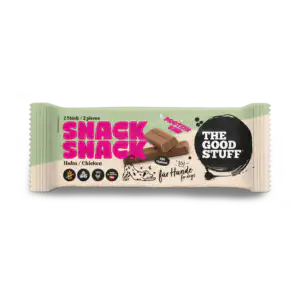 Mono
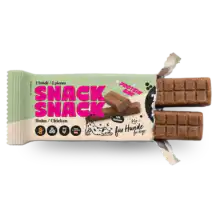
MonoTHE GOODSTUFF SNACK SNACK – Huhn – 40 g
CHF 3.30CHF 82.50 / kg -
 New
New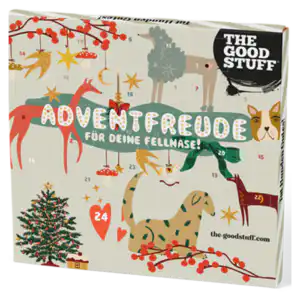
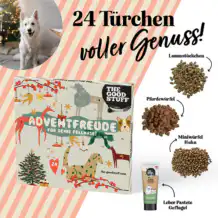
THE GOODSTUFF Hunde Adventskalender 2026
CHF 23.90 -
New
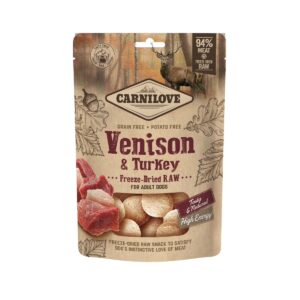
CARNILOVE Freeze-Dried Snack – Venison & Turkey – 60 g
CHF 6.90CHF 115.00 / kg -
-6%New
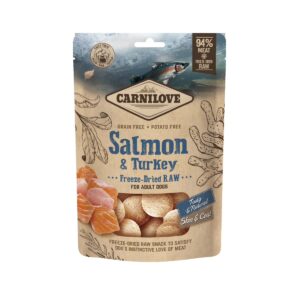 MHD: 21.12.2026
CARNILOVE Freeze-Dried Snack – Salmon & Turkey – 60 g
Original price was: CHF 6.90.CHF 6.45Current price is: CHF 6.45.CHF 107.50 / kg -
New
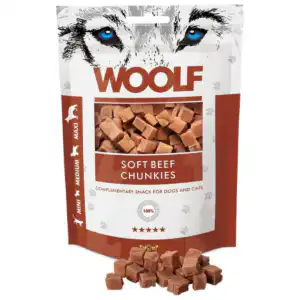
WOOLF Soft Beef Chunkies – 100 g
CHF 4.60CHF 46.00 / kg -
New

CARNILOVE MEAT JERKY – Chicken and Pheasant – 100 g
CHF 4.10CHF 41.00 / kg -
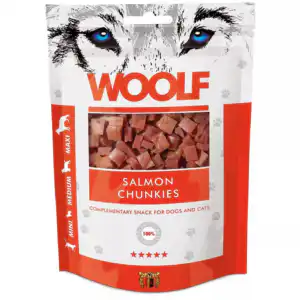
WOOLF Salmon Chunkies - 100 g
CHF 4.20CHF 42.00 / kg -
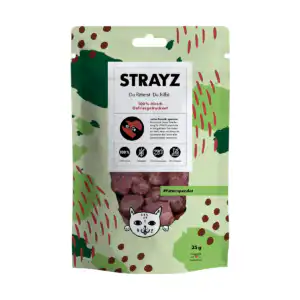
STRAYZ Snack - Freeze-dried venison - 35 g
CHF 6.90CHF 197.14 / kg -
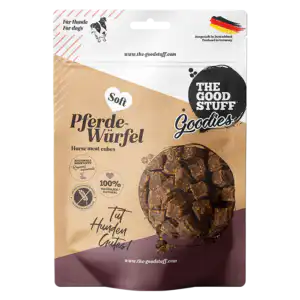 Mono
MonoTHE GOODSTUFF Horse pieces - 150 g
CHF 11.50CHF 76.67 / kg -
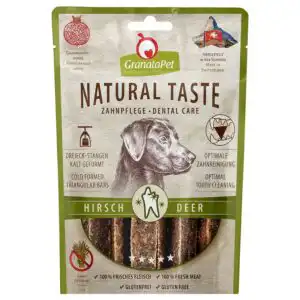
GranataPet Dental care DENTAL CARE - Deer - 70g
CHF 5.10CHF 72.86 / kg -
 2 Sizes Mono
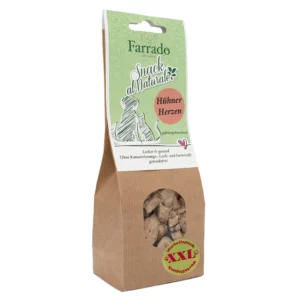
Farrado DER SNACK - Chicken hearts - 90 g
CHF 10.50CHF 116.67 / kg -
 Mono
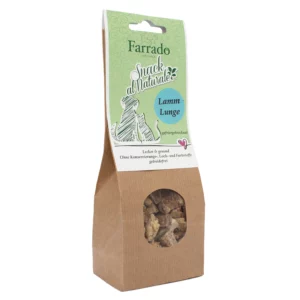
MonoFarrado DER SNACK - Lamb lung - 30 g
CHF 4.90CHF 163.33 / kg -
 2 Sizes Mono
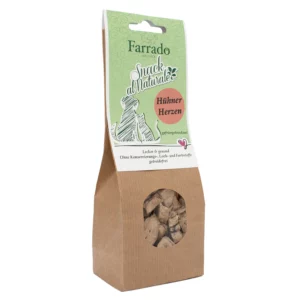
Farrado DER SNACK - Chicken hearts - 30 g
CHF 4.90CHF 163.33 / kg -
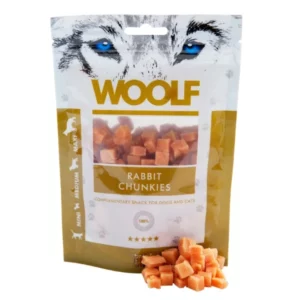
WOOLF Rabbit Chunkies - 100 g
CHF 4.20CHF 42.00 / kg -
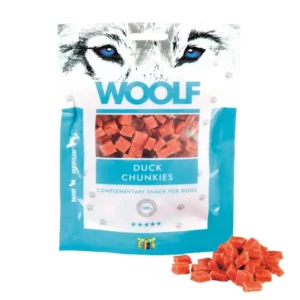
WOOLF Duck Chunkies - 100 g
CHF 4.20CHF 42.00 / kg -
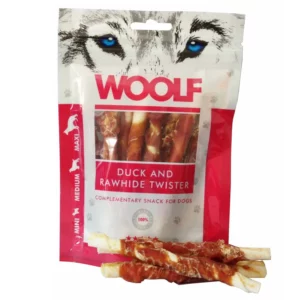
WOOLF Entwister - 100 g
CHF 5.00CHF 50.00 / kg -
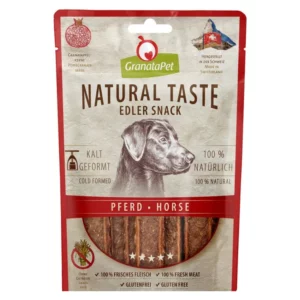
GranataPet EDEL SNACK Horse - 90 g
CHF 4.40CHF 48.89 / kg -
 zurzeit ausverkauft
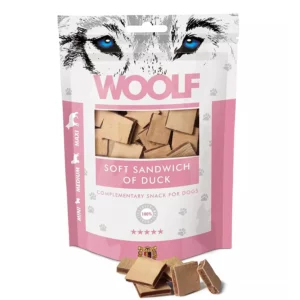
WOOLF Tender duck sandwich cubes - 100 g
CHF 5.20CHF 52.00 / kg -
 zurzeit ausverkauft
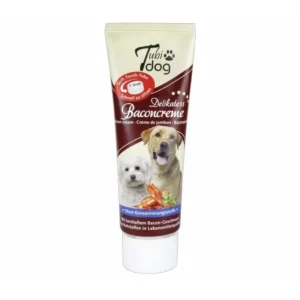
TubiDog Bacon cream - 75 g
CHF 3.20CHF 42.67 / kg -
 zurzeit ausverkauft
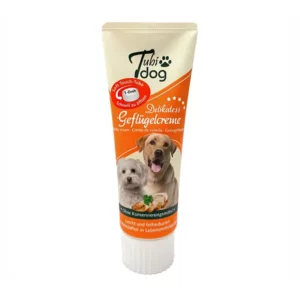
TubiDog Poultry cream - 75 g
CHF 3.20CHF 42.67 / kg -
 zurzeit ausverkauft
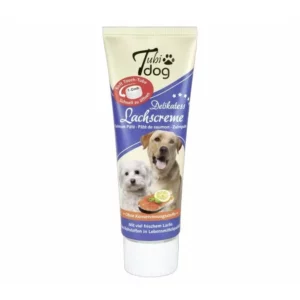
TubiDog Salmon cream - 75 g
CHF 3.20CHF 42.67 / kg -
 zurzeit ausverkauft
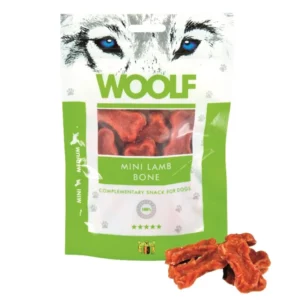
WOOLF Lamb - 100 g
CHF 4.20CHF 42.00 / kg -
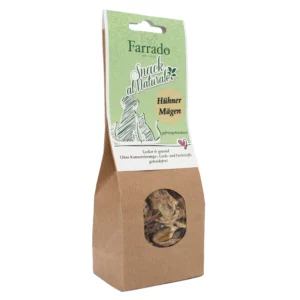 Mono zurzeit ausverkauft
Farrado DER SNACK - Chicken stomachs - 30 g
CHF 4.90CHF 163.33 / kg -
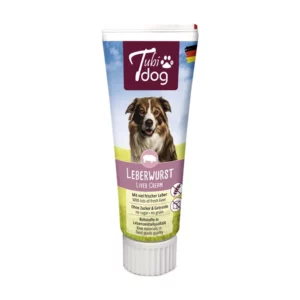 zurzeit ausverkauft
TubiDog Liver sausage - 75 g
CHF 3.20CHF 42.67 / kg
Dog treats for training and rewards
Treats are practical in everyday dog life: during training, recall, on walks or as a small reward in between. However, good dog treats should not only smell good, but also be suitably portioned, well tolerated and sensibly composed.
At ARTGERECHT. you will find treats for dogs that can be used deliberately. Depending on the dog, small training snacks, softer rewards or clearly declared snacks with a specific protein source may be useful.
Which treats suit your dog?
Small pieces that the dog can eat quickly are important for training. For calm rewards, snacks can also be slightly larger. For sensitive dogs, it helps to pay attention to clear ingredients and known protein sources. Too many different treats at the same time make it more difficult to assess tolerance.
Reward without overfeeding
Many repetitions quickly add up, especially during training. That's why treats should be small and fit in with the daily ration. If you reward very frequently, you can reduce the main meal slightly or use particularly small training snacks.
Combine treats sensibly
Treats are ideal for training and motivation, but are no substitute for a balanced diet. The following are suitable for longer periods of activity Chews better. You can find more dog snacks in the Snack overview. For everyday use, treats go particularly well with Leashes, harnesses and collars and Toys for active play.
Frequently asked questions about treats for dogs
Which treats are suitable for dog training?
Small treats that smell good and can be eaten quickly are suitable for training. They should motivate the dog but not interrupt the training flow. Particularly practical are Snacks, that stay clean in the hand and are easy to portion.
How many treats can my dog get per day?
This depends on size, activity, weight and the snacks used. Treats are part of the daily energy intake and should not be fed in addition indefinitely. With frequent training, small pieces and an adapted main feed are sensible.
Which treats are suitable for sensitive dogs?
Treats with a clear composition are helpful for sensitive dogs. Pay attention to clear protein sources and avoid changing snacks unnecessarily. If you suspect an intolerance, test new treats individually and observe digestion, skin and behavior.
Are soft or hard treats better?
That depends on the use. Soft treats are often very practical for training because they are eaten quickly. Harder snacks can keep dogs occupied for longer, but are not ideal for every training situation. It is important that the consistency and size suit the dog.
Can I use normal dry food as a treat?
Yes, if your dog accepts it as a reward. Dry food is easy to portion and can help make it easier to keep track of the total ration. However, particularly attractive treats are often more effective for challenging training situations or outdoors under distraction.
How can I recognize high-quality dog treats?
High-quality dog treats are clearly declared, suitably composed and well tolerated. You should be able to recognize which protein sources and other ingredients are included. Good treats not only have a strong smell, but are also suitable for feeding and purpose.
Are treats suitable for puppies?
Treats can also be useful for puppies if they are small, soft and age-appropriate. They help to reward desired behavior, especially during training. Be careful not to feed too much extra and introduce new snacks slowly.