Fur, paws, mouth & ears for dogs

Grooming products for your dog's coat, paws, mouth and ears are essential to promote their well-being. Special shampoos, grooming balms and brushes keep your dog's coat soft and shiny, while special paw creams and sprays protect your dog's sensitive paws.
Showing 1–24 of 28 resultsSorted by latest
-
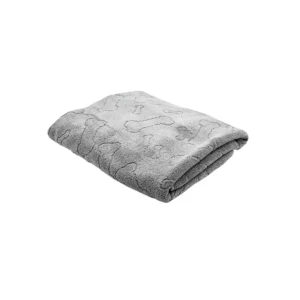 2 Sizes Suitable for washing machines
Bubimex Bath towel with bone motif - M - 50 x 60 cm
CHF 14.90 -
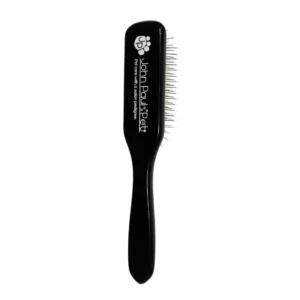
John Paul Pet Brush
CHF 14.85 -
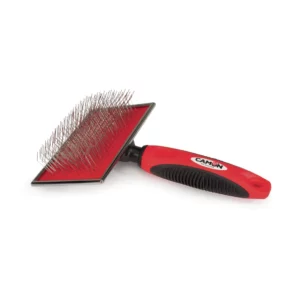
CAMON Plucking brush with extra long bristles
CHF 19.90 -
 -30%
-30%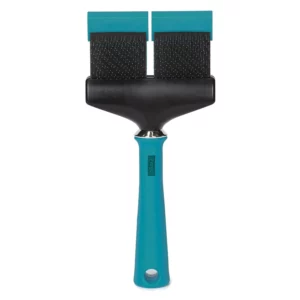
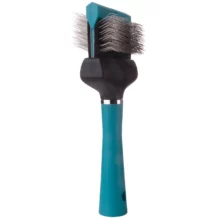
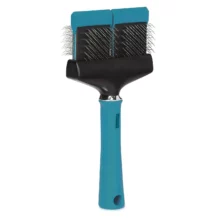
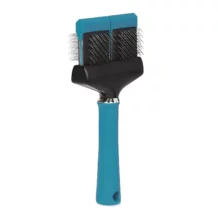
master grooming tools Double-sided, hard, flexible plucking brush
Original price was: CHF 32.80.CHF 22.80Current price is: CHF 22.80. -
-50%
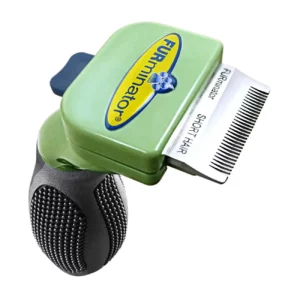
FURminator Care brush XS
Original price was: CHF 59.00.CHF 29.50Current price is: CHF 29.50. -
-50%
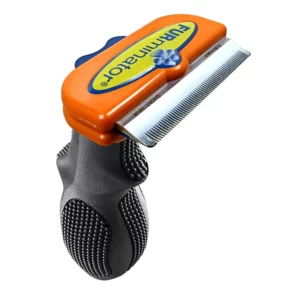
FURminator Care brush M
Original price was: CHF 69.00.CHF 34.50Current price is: CHF 34.50. -
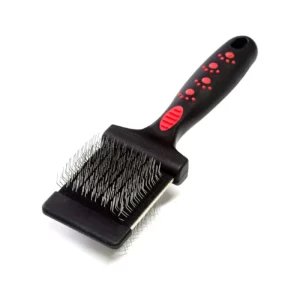 2 Sizes
CAMON Double harrow - S
CHF 14.90 -
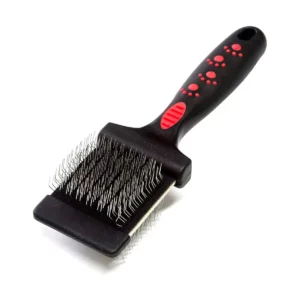 2 Sizes
CAMON Double harrow - L
CHF 16.30 -
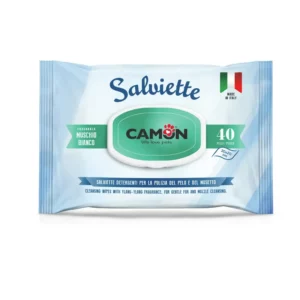
CAMON Wet wipes with white musk fragrance - 40 pcs - 30×20 cm
CHF 5.15 -
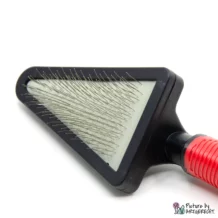
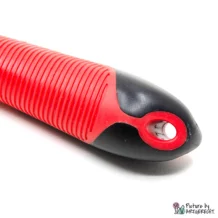
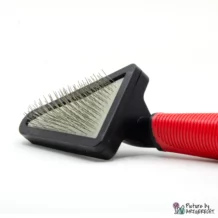
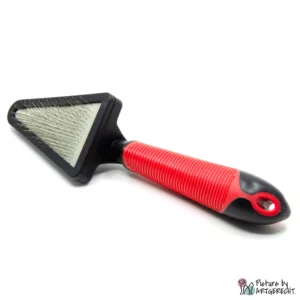
Karlie Perfect Care - Slicker Brush - Universal brush - short and long hair
CHF 9.50 -
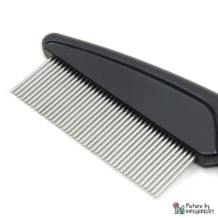
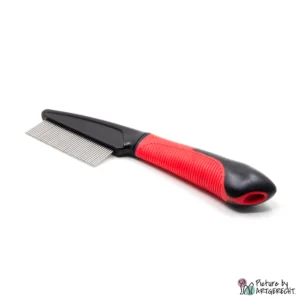
Karlie Perfect Care - Grooming Comb - Grooming comb - short and long hair
CHF 7.90 -
 Organic
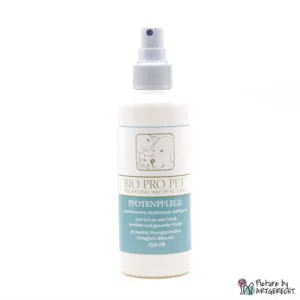
BIO PRO PET Paw care - 250 ml
CHF 26.50CHF 106.00 / l -
 Organic
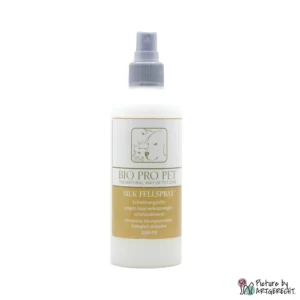
BIO PRO PET Silk coat spray - detangling aid against tangled hair - 250 ml
CHF 28.20CHF 112.80 / l -
 Organic
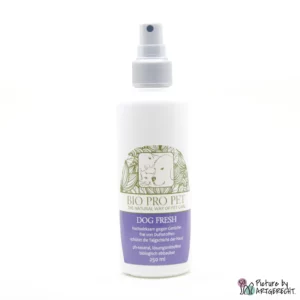
BIO PRO PET Dog Fresh - Odor absorber - 250 ml
CHF 29.85CHF 119.40 / l -
 Organic
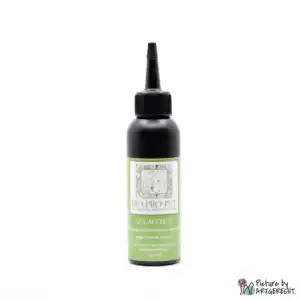
BIO PRO PET Decalyte D - Cleaning and disinfection of the ears - 100 ml
CHF 27.80CHF 278.00 / l -
 Organic
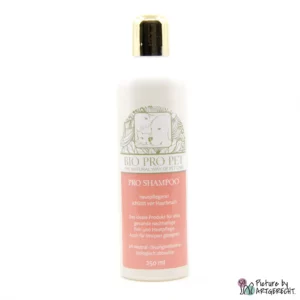
BIO PRO PET Pro Shampoo - Skin caring - 250 ml
CHF 28.20CHF 112.80 / l -
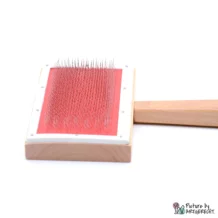
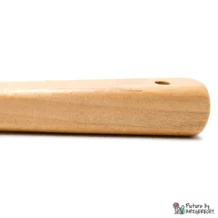
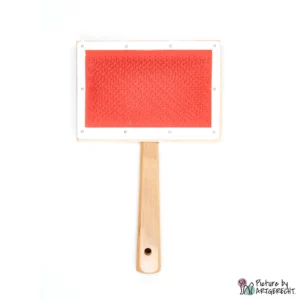
CAMON Wooden plucking brush for dogs - Maxi
CHF 12.50 -
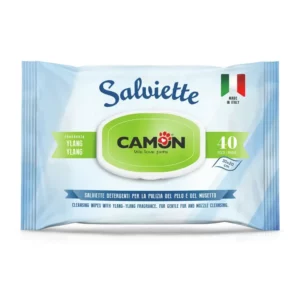
CAMON Wet wipes for mouth, paws, coat - Ylang Ylang - 40 pcs - 30×20 cm
CHF 4.90 -
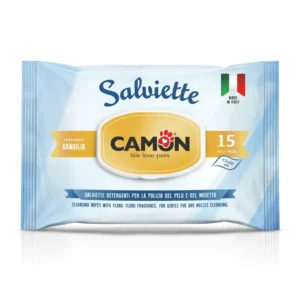
CAMON Wet wipes for mouth, paws, coat - vanilla - 15 pcs - 17×20 cm
CHF 2.85 -
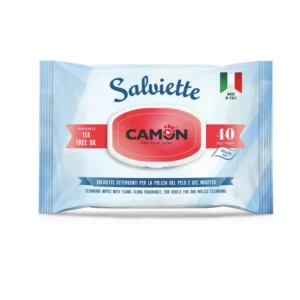
CAMON Wet wipes with tea tree oil - 40 pcs. - 30×20 cm
CHF 5.90 -
-50%
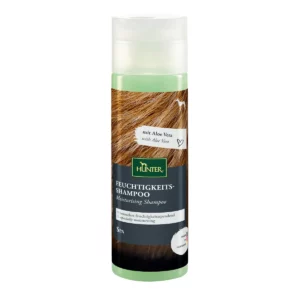
HUNTER PURE WELLNESS - Moisturizing shampoo for dogs - 200 ml
Original price was: CHF 6.50.CHF 3.25Current price is: CHF 3.25.CHF 16.25 / l -
-50%
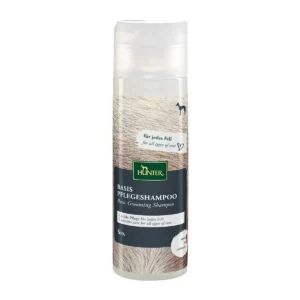
HUNTER PURE WELLNESS - Basic conditioning shampoo for dogs - 200 ml
Original price was: CHF 6.50.CHF 3.25Current price is: CHF 3.25.CHF 16.25 / l -
-50%
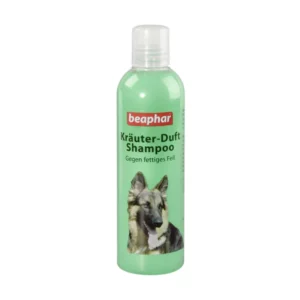
beaphar Herbal fragrance shampoo - against greasy coat
Original price was: CHF 12.50.CHF 6.25Current price is: CHF 6.25.CHF 25.00 / l -
-50%
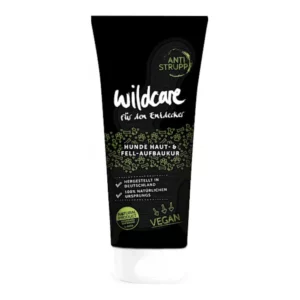
wildcare ANTI STRUPP - Dog skin & coat restorative treatment - 200 ml
Original price was: CHF 6.70.CHF 3.35Current price is: CHF 3.35.CHF 16.75 / l
Care for coat, paws, mouth and ears
Coat, paws, mouth and ears quickly show how the dog is doing in everyday life. Dirt, wetness, coat changes, road salt, food residues or sensitive skin can make grooming necessary. Good routines help to recognize small changes early on.
At ARTGERECHT. you will find grooming products for key areas of the dog: Coat care, paw care, mouth care and ear care. It is important to use products in a targeted manner and not to test them indiscriminately in case of complaints.
Distinguishing care areas sensibly
Coat care depends very much on the type of coat. Paws need more attention in winter or on rough ground. Mouth care can help to establish a routine, but is no substitute for a veterinary dental check. Ears should appear clean and not smell unpleasant.
Check regularly
Brief checks after walks or when brushing help to detect ticks, foreign bodies, cracks, matting or odors early on. The more normal these touches are for the dog, the easier everyday grooming will be.
Gentle care without exaggeration
Care should support, not burden. Too frequent washing, unsuitable products or rough brushing can irritate the skin and coat. In the event of redness, pain, severe itching or ear problems, the cause should be clarified by a vet.
You'll find the perfect match at ARTGERECHT. Further dog care, Treats for quiet care routines and Beds, that are easy to keep clean.
Frequently asked questions about coat, paw, mouth and ear care
How often should I groom my dog's coat?
This depends on the coat type. Dogs with an undercoat or long coat usually need more frequent grooming than short-haired dogs. Brushing can be useful more often during the shedding period. It is important to remove loose hair and tangles without irritating the skin.
What helps with dry dog paws?
For dry paws, suitable Care products and regular checks can help. After walks on salt, snow or rough surfaces, it is worth checking paws briefly. If there are cracks, blood, pain or heavy licking, the cause should be clarified.
How do I care for dogs' ears properly?
Ears should be treated carefully and only with suitable products. Do not pick deep into the ear. If ears smell unpleasant, are very dirty, appear reddened or the dog shakes and scratches frequently, they should be checked by a vet.
Is mouth care important for dogs?
Mouth care can help to get your dog used to touch in the mouth area and establish dental care routines. However, it is no substitute for a professional check-up for tartar, pain, inflammation or bad odors. Practicing early often makes later care easier.
Which brush is right for my dog?
The right brush depends on coat length, density and undercoat. Fine, long fur requires different tools than short or dense fur. If brushing pulls or reddens the skin, the tool or technique is probably not ideal.
How can I make grooming more pleasant for my dog?
Short sessions, calm movements and positive associations help. Start with simple touches and increase slowly. Treats can provide support, but should not be used frantically. The aim is to make care predictable and low-stress.
When are care products not enough?
Grooming products are not enough if the dog shows pain, severe redness, inflammation, open sores, foul odors, lameness or persistent itching. Then it is no longer just a question of grooming, but of a possible medical cause.