Harnesses for dogs
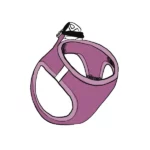
Harnesses distribute the pull evenly and are therefore gentle on your dog's sensitive neck area. With different sizes and designs, we offer you the ideal choice to give your dog the freedom to move around safely and comfortably. Find the perfect equipment for walks that is both comfortable and safe for your dog.
Showing all 20 resultsSorted by latest
-
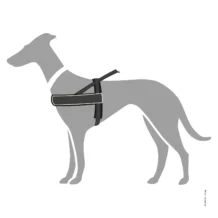
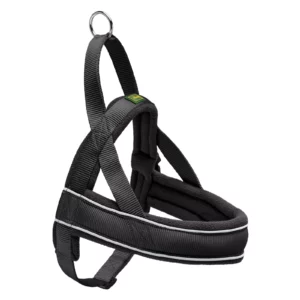 2 Colours
HUNTER Norwegian harness «Racing» - XL - Black
CHF 45.00 -
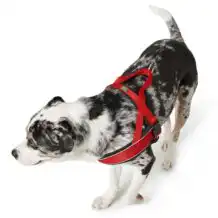
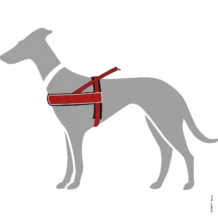
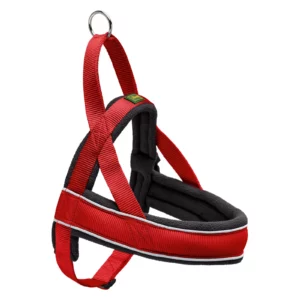 2 Colours 4 Sizes
HUNTER Norwegian harness «Racing» - XL - Red/Black
CHF 45.00 -
4 Sizes
HUNTER Norwegian harness «Racing» - M - Red/Black
CHF 37.40 -
4 Sizes
HUNTER Norwegian harness «Racing» - S - Red/Black
CHF 34.40 -
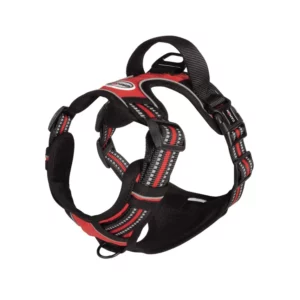
CAMON Chest harness - M - Red/Black
CHF 49.90 -
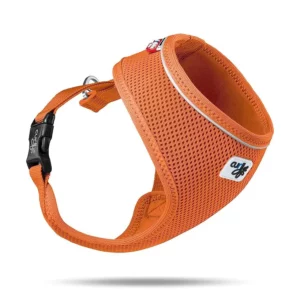 2 Colours 2 Sizes DogFinderID Cooling
curli dogfinder - Air Mesh BASIC Vest - Orange - S
CHF 27.90 -
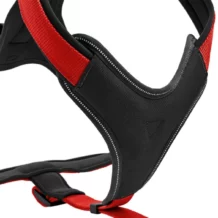
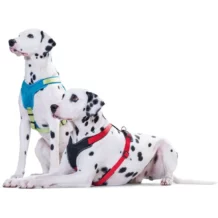
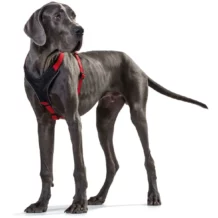
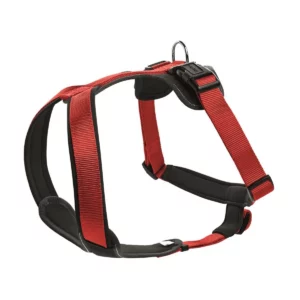
HUNTER Dog harness - Neoprene - XL - Red/Black
CHF 39.90 -
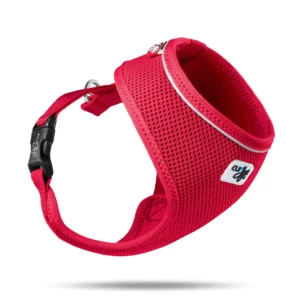 2 Colours 2 Sizes DogFinderID Cooling
curli dogfinder - Air Mesh BASIC Vest - Red - S
CHF 25.90 -
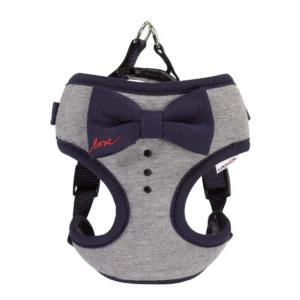
CAMON Harness gray/blue with bow - size XXS - waist circumference 33/41
CHF 17.40 -
4 Sizes zurzeit ausverkauft
HUNTER Norwegian harness «Racing» - XXL - Red/Black
CHF 49.90 -
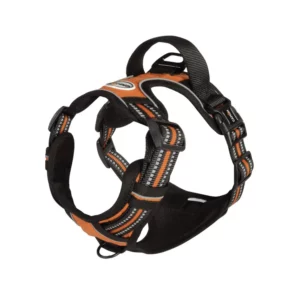 zurzeit ausverkauft
CAMON Chest harness - S - Orange/Black
CHF 45.50 -
2 Colours 2 Sizes DogFinderID Cooling zurzeit ausverkauft
curli dogfinder - Air Mesh BASIC Vest - Orange - M
CHF 27.90 -
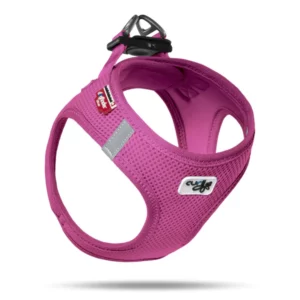 2 Colours DogFinderID Cooling zurzeit ausverkauft
curli dogfinder - Air Mesh Vest - Fuchsia - S
CHF 27.90 -
 DogFinderID Cooling zurzeit ausverkauft
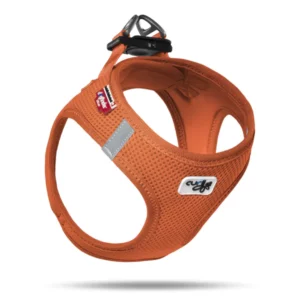
curli dogfinder - Air Mesh Vest - Orange - L
CHF 30.90 -
2 Colours 2 Sizes DogFinderID Cooling zurzeit ausverkauft
curli dogfinder - Air Mesh BASIC Vest - Red - M
CHF 27.90 -
 2 Colours 3 Sizes DogFinderID Cooling zurzeit ausverkauft
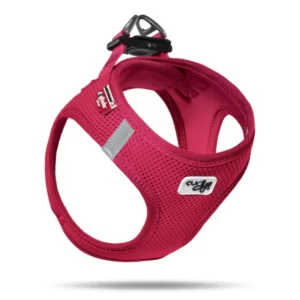
curli dogfinder - Air Mesh Vest - Red - S
CHF 27.90 -
3 Sizes DogFinderID Cooling zurzeit ausverkauft
curli dogfinder - Air Mesh Vest - Red - M
CHF 29.90 -
2 Colours 3 Sizes DogFinderID Cooling zurzeit ausverkauft
curli dogfinder - Air Mesh Vest - Red - XL
CHF 32.90 -
 2 Colours DogFinderID Cooling zurzeit ausverkauft
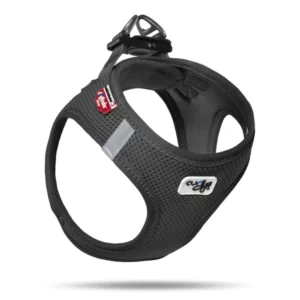
curli dogfinder - Air Mesh Vest - Black - XL
CHF 32.90 -
 zurzeit ausverkauft
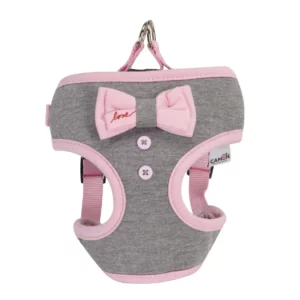
CAMON Harness gray/pink with bow - size XXS - waist circumference 33/41
CHF 17.40
Dog harnesses with a good fit
A dog harness should fit securely, allow freedom of movement and distribute tension sensibly. A well-fitting harness can be very helpful, especially for walks, towing, training or dogs that are sensitive around the neck. The decisive factor is the fit, not just the look.
At ARTGERECHT. you will find dog harnesses for different dogs and everyday situations. Adjustable areas, the right size, comfortable material and a cut that does not unnecessarily restrict the shoulders and chest are important.
What you should look out for in a dog harness
Measure the chest circumference and check where the straps lie on the body. A harness should not rub in the armpits, should not press on the larynx and should not be so loose that the dog can slip out. Regular readjustment is important for young dogs or dogs with a particular build.
Harness for everyday use, training and safety
A comfortable harness is often sufficient for everyday use. Safety harnesses can be useful for insecure dogs, traveling or special situations. For towing lines, the harness should fit securely and be equipped with a suitable Drag line can be combined.
Combine harness, lead and collar sensibly
A harness does not always replace a collar, but complements it depending on the situation. For brands or short distances, a Collar practical, while the harness offers more comfort for walks and training. The right Dog leash completes the combination.
Frequently asked questions about dog harnesses
How does a dog harness fit properly?
A harness fits properly if it fits securely, does not chafe and does not restrict movement. The straps should not lie directly in the armpits and the chest area should not press on the neck. At the same time, the dog must not be able to slip out.
How do I measure my dog for a harness?
Usually the chest circumference behind the front legs is decisive, depending on the model also the neck circumference and back length. Measure close-fitting, but not constricting. Compare the values with the size chart and note the adjustment range of the respective harness.
Is a harness better than a collar?
A harness is not always better, but it makes more sense in many situations. It distributes traction differently and can be used on walks, Drag line or pulling dogs may be more comfortable. A collar remains practical for other situations. The decisive factors are the dog, everyday life and area of use.
Which harness is suitable for puppies?
Lightweight, easily adjustable harnesses that can be quickly adjusted are suitable for puppies. Puppies grow quickly, so the fit should be checked regularly. The harness should be soft enough and not restrict movement.
Can a dog slip out of its harness?
Yes, if the harness does not fit properly or the dog wriggles out backwards. Special safety harnesses can be useful for insecure dogs. Correct size, a good fit and conscious guidance in situations where the dog is frightened are important.
Which harness goes with the drag line?
The harness for the drag line should be stable and distribute the pull well. It should not slip and should not put strain on the neck. A well-fitting chest harness or safety harness is usually more suitable than a collar, as the pull on the drag line can be uneven.
How do I care for a dog harness?
Remove dirt regularly and allow the harness to dry well after getting wet. Check seams, buckles and rings for wear. If material wears out, rubs or buckles no longer hold reliably, the harness should be replaced.