Care for dogs
Showing 49–53 of 53 resultsSorted by latest
-
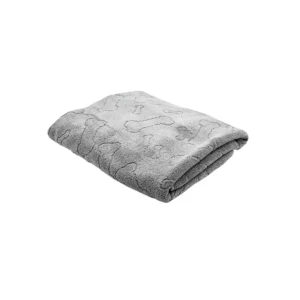 2 Sizes Suitable for washing machines zurzeit ausverkauft
Bubimex Bath towel with bone motif - L - 110 x 60 cm
CHF 24.90 -
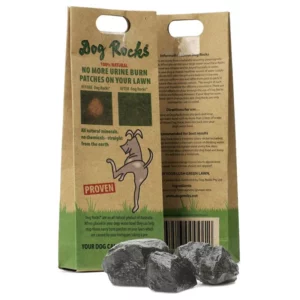 zurzeit ausverkauft
Dog Rocks No more urine stains on the lawn - 200 g
CHF 21.90CHF 109.50 / kg -
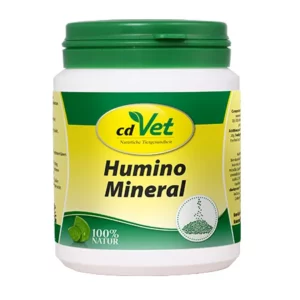 zurzeit ausverkauft
cdVet Humino Mineral - 150 g
CHF 14.60CHF 97.33 / kg -
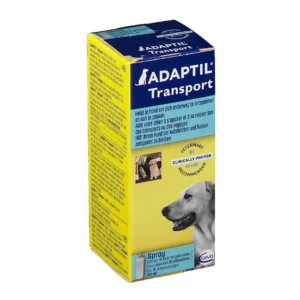 zurzeit ausverkauft
ADAPTIL Transport spray - 60 ml
CHF 32.70CHF 545.00 / l -
 zurzeit ausverkauft
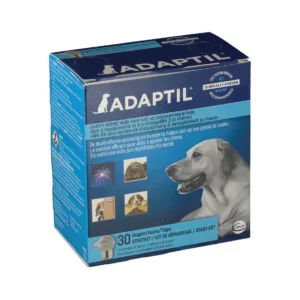
ADAPTIL Calm - Starter Set - 30 days
CHF 39.80CHF 829.17 / l
Dog care for coat, paws, skin and everyday life
Dog grooming is more than just bathing and brushing. Depending on coat type, season and daily routine, grooming includes coat care, paw care, ears, mouth, tick protection and small everyday helpers. Good grooming products support routines, but are no substitute for a veterinary examination in the event of serious complaints.
At ARTGERECHT. you will find grooming products for dogs that can be integrated into everyday life. These include products for Fur, paws, mouth and ears, tick protection, calming and other care areas.
Care as required instead of according to a scheme
Not every dog needs the same care. Long-haired dogs, dogs with undercoats, active dogs, city dogs or senior citizens have different needs. It is important to notice changes early on: dry paws, matted fur, unpleasant odors or frequent scratching should not be ignored.
Establish gentle routines
Many dogs accept grooming better if it is built up calmly and in small steps. Brushing, checking paws, looking at ears or mouth care can often be integrated into everyday life in a more relaxed way with patience and small rewards.
Choose care products wisely
Good dog care products are suitable for use, mild and clearly described. In the case of skin problems, inflammation, severe itching or pain, you should not simply try things out. Veterinary advice is then important.
For everyday use, care products can be combined well with Treats, quiet occupation and a clean Resting place combine.
Frequently asked questions about dog care
What care does a dog need on a regular basis?
Regular coat checks, brushing depending on coat type, paw check, clean Bowls, claw check and a look at ears, skin and mouth. How often this is necessary depends greatly on the breed, coat, activity, season and state of health.
How often should I bathe my dog?
A dog should not be bathed unnecessarily often. Bathing makes sense if it is very dirty or if a suitable care product is needed. Use mild products for dogs and take care not to stress the skin and coat by washing too often.
What helps with dry paws?
Suitable paw care products can help with dry paws, especially in winter, with road salt or on rough surfaces. It is important to check the paws regularly. In the event of cracks, pain, inflammation or excessive licking, a vet should check the cause.
How can I tell if my dog has skin problems?
Indications may include frequent scratching, licking, redness, dandruff, bald patches, unpleasant odors or sensitive skin. Care products can provide support, but do not always solve the cause. If symptoms are severe or persist for a long time, it is important to seek veterinary advice.
Which brush suits which coat?
The right brush depends on coat length, undercoat and structure. Short hair, long hair, curls or thick coats need different tools. The aim is to remove loose hair and tangles without unnecessarily irritating the skin and coat.
How do I get my dog used to grooming?
Start calmly, briefly and positively. Start by touching paws, ears or fur without a long treatment and reward relaxed behavior. Many small sessions are better than one long, unpleasant procedure. This makes grooming more predictable for the dog.
When should I go to the vet if I have grooming problems?
In case of pain, inflammation, severe itching, ear odor, open sores, lameness, unusual hair loss or recurring problems, the dog should be examined by a veterinarian. Care can provide support, but does not replace a diagnosis in the case of real complaints.