Ceramic Water Fountains for Cats: Pros and Cons
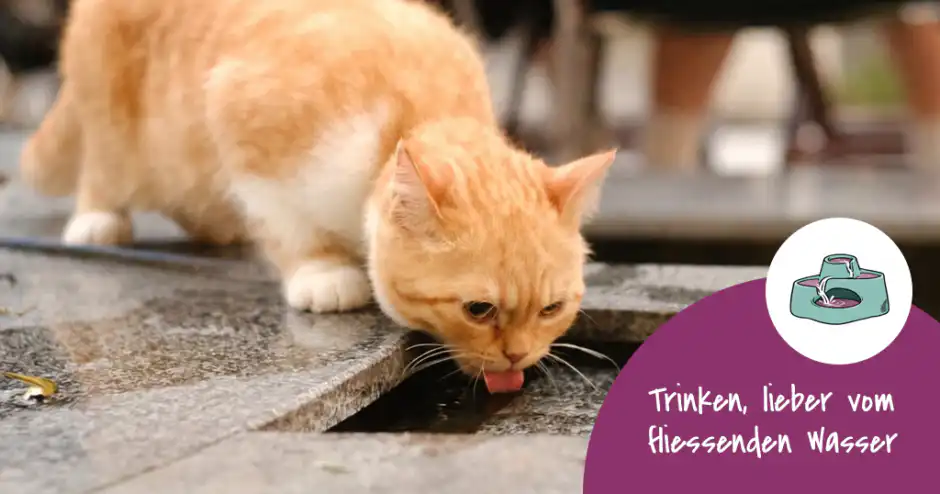
A ceramic drinking fountain can help cats drink more and more regularly throughout the day. Many cats prefer moving water because it seems fresher and smells more interesting than standing water in a bowl. Indoor cats, picky cats, or cats on a very dry diet often benefit from a well-placed fountain.
Still, not every cat water fountain is automatically a good choice. The material, noise level, ease of cleaning, location, and size all determine whether your cat will actually use the fountain. At ARTGERECHT, we therefore focus not only on attractive design, but also on practicality for everyday use, hygiene, and durable materials.
Why Cats Often Like Moving Water
Not all cats drink the same way. Some reliably go to their water bowl, while others drink almost exclusively from a running faucet or seek out unusual sources of water. Moving water can be more appealing to cats because it appears fresh and is more noticeable.
This is especially important if your cat mainly eats dry food or naturally drinks very little. A drinking fountain is no substitute for a balanced diet or a veterinary evaluation if your cat has health issues. However, it can be a practical tool for making water more visible and interesting in your cat’s daily life.
Ceramic or plastic: which is better for everyday use?
Ceramic is a durable material for drinking fountains because it is heavy, stable, and tasteless. Many cats like ceramic because it feels high-quality and emits fewer foreign odors than some plastic parts. For you, ceramic is practical because it can be thoroughly cleaned and has a more understated appearance.
| Criterion | Ceramic Drinking Fountain | Important in Everyday Life |
|---|---|---|
| Weight | Usually heavier and more sturdy | Less likely to slip |
| Smell | Tasteless and low-odor | May be more comfortable for sensitive cats |
| Cleaning | A smooth material that is easy to clean | Deposits should still be removed regularly |
| Optics | Gives a calmer, higher-quality impression | Fits better in living spaces |
| Durability | Sturdy, but not unbreakable | Handle with care |
Drawbacks You Should Be Aware Of
Ceramic isn't perfect. A ceramic fountain is heavier than plastic and can be damaged if it falls. In addition, the pump is a mechanical part that needs to be cleaned and replaced when necessary. So when you buy a drinking fountain, you're not just buying a product—you're also committing to a little maintenance routine.
Another issue is limescale. In many Swiss households, the water tends to be hard. This can cause visible streaks to form, and the pump may become noisier over time. This isn’t a reason to avoid getting a fountain, but it does call for a regular cleaning schedule.
Purchasing Criteria: Noise Level, Cleaning, Size, and Location
1. Quiet Pump
A quiet pump is essential. Cats have a very keen sense of hearing. If a fountain hums, vibrates, or rattles, cats are more likely to avoid it. Therefore, make sure the water level is correct and that the pump is installed properly.
2. Easy to clean
A good drinking fountain should be easy to take apart without any hassle. You need to be able to clean the ceramic parts, the water flow, and the pump regularly. If cleaning is too tedious, it won't get done often enough in everyday use.
3. The Right Size for Your Household
For a single cat, one is often enough compact fountain. If you have multiple cats, it's worth getting a larger model or an additional water bowl in a second location. It's important that your cat can drink comfortably without constantly bumping into things with its whiskers.
4. Stable Location
Even the best water fountain isn't much help if it's in the wrong place. Many cats prefer not to drink right next to their food or litter box. A quiet spot away from the feeding area is often better. A suitable carpet pad protects the floor and makes small water splashes less bothersome.
Which cats benefit most from a drinking fountain
A Drinking fountain for cats This is especially interesting if your cat doesn't drink much, avoids standing water, or reacts with great curiosity to running water. A fountain can also be helpful in households with multiple cats, because it gives all of them easier access to fresh water and makes the drinking spot more appealing.
For cats that mainly eat wet food, the additional benefit is sometimes less significant because they already get a lot of moisture from their food. Still, a fountain can be a good idea if your cat consistently ignores the water in its bowl or if you want to make the drinking area more appealing.
If your pet has an illness, kidney problems, unusually intense thirst, or a sudden change in drinking habits, you shouldn't just turn on the water fountain. Such changes should be evaluated by a veterinarian. A water fountain can make everyday life easier, but it is no substitute for a diagnosis.
Common Mistakes When Buying
- Focus only on design: The fountain must also be easy to clean and quiet.
- Placing it too close to the feeding area: Many cats prefer to drink their water at a slight distance from their food.
- Forgot the pump: The pump needs to be cleaned regularly; otherwise, it will become louder or less powerful.
- Remove the old water bowl immediately: Give your cat some time and offer both options for a while.
Ceramic fountain with practical maintenance accessories
If you're looking for a sturdy, quiet place to have a drink, a Ceramic drinking fountain for cats A good choice. Matching accessories, such as mats or additional ceramic bowls, can make the water and food station cleaner and more practical.
It's important that the fountain, accessories, and location all go well together. A serene ceramic fountain isn't much use if it's hard to clean or is placed in the wrong spot.
-
 3 Farben zurzeit ausverkauft
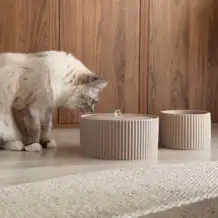
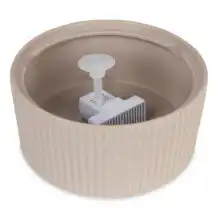
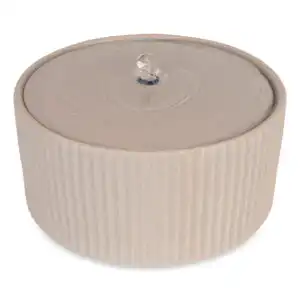
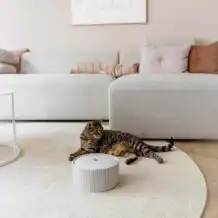
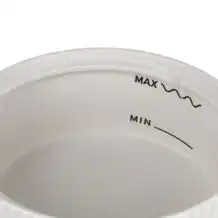
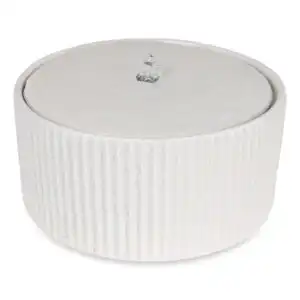
DISTRICT 70 SENSE Ceramic Fountain – Beige
CHF 75.90 -
 3 Farben zurzeit ausverkauft
DISTRICT 70 SENSE Ceramic Fountain – Merengue
CHF 75.90 -
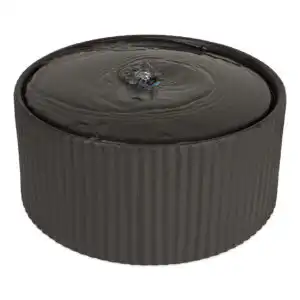 3 Farben
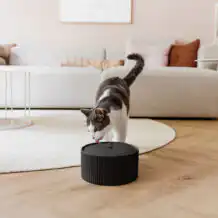
DISTRICT 70 SENSE Ceramic Fountain – Black
CHF 75.90 -
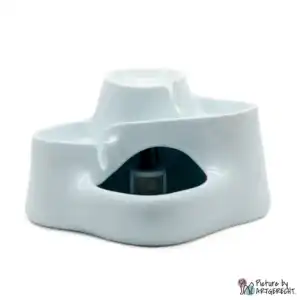 8 Farben Suitable for dishwashers
Miaustore Ceramic drinking fountain MINI - 1.2 l - Light blue
CHF 55.00 -
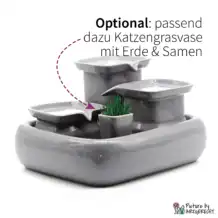
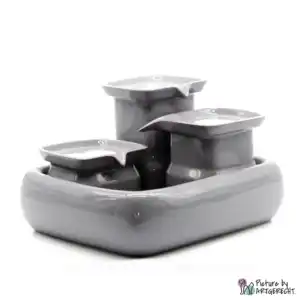 7 Farben Suitable for dishwashers zurzeit ausverkauft
Miaustore Ceramic drinking fountain STANDARD - 3.4 l - Gray
CHF 85.00 -
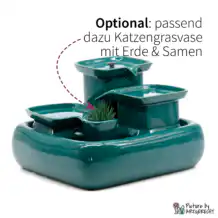
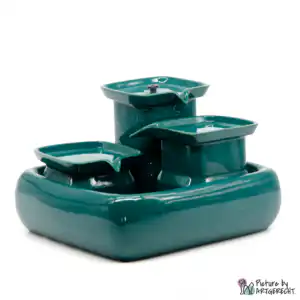 7 Farben Suitable for dishwashers
Miaustore Ceramic drinking fountain STANDARD - 3.4 l - Seawave
CHF 85.00
A ceramic fountain or a regular water bowl?
A regular water bowl is still a good idea. We wouldn't automatically replace it; instead, we would view the drinking fountain as an additional water source. This comparison can help you choose the right model Miaustore Standard or Mini, if the water supply and space requirements are unclear. The key point isn't whether the fountain is used exclusively, but that your cat has reliable access to fresh water overall.
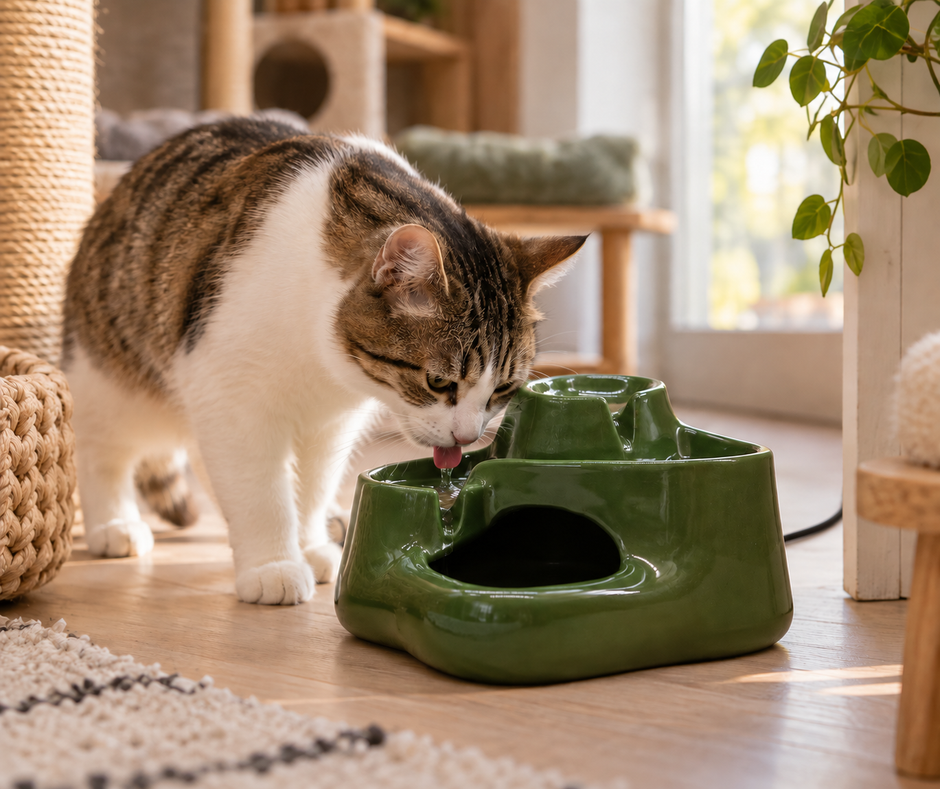
If you provide only one water station, pay special attention to its location and cleanliness. If the fountain is in an inconvenient spot or the pump is noisy, your cat has no alternative. In many households, having two water stations is the less stressful solution.
How to Get Your Cat Used to the Fountain
Don't set up the fountain as the only water source right away. Many cats need a few days to get used to a new object in the room. Leave the old water bowl out for now and give your cat time to explore the fountain on its own.
If your cat is skeptical, choose a quiet location. Avoid high-traffic areas, noisy appliances, or places where the fountain is frequently turned on. Some cats will only drink at first when the pump is turned off and will only get used to the movement later on.
Daily Care Plan
- Daily: Check the water level and refill with fresh water as needed
- Every few days: Remove hair, dust, and food scraps
- Weekly: Thoroughly clean ceramic parts
- Every one to two weeks: Open the pump and clean the impeller
- Monthly: Check for limescale, cables, the pump, and accessories
If the fountain becomes noisier or the water flow slows down, don't wait until the next major cleaning.
When a Drinking Fountain Makes Everyday Life Better
A drinking fountain isn’t absolutely necessary for every cat, but it’s a very practical addition in many households. It’s especially useful for cats that show little interest in their water bowl but are curious about running water. Many owners notice this when their cat waits by the faucet, drinks from flower saucers, or finds fresh water more appealing than the standing bowl shortly after it’s been changed.
Nevertheless, it is important that: A water fountain is no substitute for a good diet. For cats that mainly High-quality wet food Since cats get some of their fluid intake from their food, the fountain can provide additional support—especially in the summer, in households with multiple cats, or if the cat is prone to concentrated urine. However, if there are any health concerns, it is always up to the veterinarian to make the assessment.
How to Avoid Making Bad Purchases When Buying Ceramic Fountains
The most common mistake when buying a fountain is focusing solely on its appearance or capacity. What really matters is whether the fountain will actually be maintained as part of your daily routine. A beautiful model isn’t much help if it’s too cumbersome to clean, runs too loudly, or is placed in a spot your cat avoids.
- Make sure the ceramic parts are easily accessible and that the pump can be opened and cleaned
- Don't set up the feeding area right next to the water source if a lot of crumbs end up in the water there
- Choose the size based on the number of cats and how often you clean, not just on the liter capacity.
- Check to see if replacement parts are available so you don't have to buy a new fountain for every little thing
FAQs About Ceramic Drinking Fountains
Is a ceramic drinking fountain better than a plastic one?
Ceramic is heavy, odorless, and easy to clean. For many cats and households, this is an advantage. However, the key factors remain cleaning, noise level, location, and whether the cat accepts the fountain.
How often should I clean a ceramic drinking fountain?
In most households, you should clean the ceramic parts about once a week. Depending on water hardness, hair buildup, and frequency of use, the pump needs attention every one to two weeks.
Where should a drinking fountain be located?
Many cats prefer to drink in a quiet spot, a short distance away from their feeding area and litter box. The location should be stable, easily accessible, and not too noisy.
What should I do if my cat ignores the water fountain?
Give her some time and leave the old water bowl out for now. Check the location, noise level, freshness of the water, and smell. Some cats take several days to get used to a new water bowl.


